
Alveolar Pattern In Dogs
Alveolar Pattern In Dogs - The patient was hospitalized for supportive care and. In a true bronchial pattern due to infectious or inflammatory disease, the bronchial walls are visible further out in the periphery than. Web radiographs may reveal a diffuse bronchointerstitial pattern or alveolar disease (figure 3). Alveolar lung pattern it is obtained when the air in the alveoli is substituted by material with higher. Uniform, homogeneous fluid opacity, varying from faint or fluffy, to solid, complete opacification 2. Diffuse interstitial or alveolar patters may be due to vasculitis, acute. Web thoracic radiographs of 16 dogs infected naturally with angiostrongylus vasorum showed signs of bronchial thickening, an interstitial pattern and a multifocal. The only distinction these patterns make with. Alveolar pattern occurs when air in alveoli is replaced by fluid or cells, or not replaced at all (atelectasis). Web severe alveolar bone loss of the left maxillary first through fourth preomar teeth was confirmed on oral examination and were surgically extracted in standard. Web because the changes seen on thoracic radiographs are often indicative of systemic disease (and may be nonspecific), the clinician needs to keep the patient, signalment,. A total collapse of the alveoli. Web diffuse pulmonary disease may be in the form of a bronchial pattern, or interstitial or alveolar pattern. In a true bronchial pattern due to infectious or inflammatory disease, the bronchial walls are visible further out in the periphery than. In dogs with chronic endocardiosis that acutely. The patient was hospitalized for supportive care and. Web an alveolar pattern is more severe than an interstitial pattern where the increased opacity in the lungs completely obscures the blood vessel margins. An alveolar pattern is the result of fluid (pus, edema, blood), or less commonly cells within the alveolar space. Web as the interstitial edema progresses there will be flooding of the alveoli and an alveolar lung pattern can be seen. Web thoracic radiographs revealed an alveolar pattern in the left cranial and caudal lung lobes, consistent with pneumonia. Web an alveolar lung pattern is an opaque lung that completely obscures the margins of the pulmonary blood vessels. The silhouette sign (=border effacement) is the hallmark radiographic sign of an alveolar disease. Web thoracic radiographs of 16 dogs infected naturally with angiostrongylus vasorum showed signs of bronchial thickening, an interstitial pattern and a multifocal. An alveolar pattern is the. Web radiologic features consistent with cardiac enlargement were present in all dogs. Web to describe the clinical disease, diagnostic findings, medical management, and outcome in dogs with alveolar echinococcosis (ae). Uniform soft tissue opacity, the presence of air bronchograms, a lobar sign, border effacement with the heart or. Alveolar pattern occurs when air in alveoli is replaced by fluid or. An alveolar pattern is the result of fluid (pus, edema, blood), or less commonly cells within the alveolar space. An alveolar pattern is the result of fluid (pus, edema, blood), or less commonly cells within the alveolar space. Web radiographs may reveal a diffuse bronchointerstitial pattern or alveolar disease (figure 3). Web thoracic radiographs revealed an alveolar pattern in the. An alveolar pattern is the result of fluid (pus, edema, blood), or less commonly cells within the alveolar space. Web because the changes seen on thoracic radiographs are often indicative of systemic disease (and may be nonspecific), the clinician needs to keep the patient, signalment,. In dogs with chronic endocardiosis that acutely. Web diffuse pulmonary disease may be in the. Web to describe the clinical disease, diagnostic findings, medical management, and outcome in dogs with alveolar echinococcosis (ae). Web severe alveolar bone loss of the left maxillary first through fourth preomar teeth was confirmed on oral examination and were surgically extracted in standard. An alveolar pattern is the result of fluid (pus, edema, blood), or less commonly cells within the. Web as the interstitial edema progresses there will be flooding of the alveoli and an alveolar lung pattern can be seen. In dogs with chronic endocardiosis that acutely. Uniform, homogeneous fluid opacity, varying from faint or fluffy, to solid, complete opacification 2. Web severe alveolar bone loss of the left maxillary first through fourth preomar teeth was confirmed on oral. Web as the interstitial edema progresses there will be flooding of the alveoli and an alveolar lung pattern can be seen. Pulmonary edema was evident radiographically as an interstitial pattern in 41 of. Web thoracic radiographs of 16 dogs infected naturally with angiostrongylus vasorum showed signs of bronchial thickening, an interstitial pattern and a multifocal. Web radiologic features consistent with. Uniform, homogeneous fluid opacity, varying from faint or fluffy, to solid, complete opacification 2. In dogs with chronic endocardiosis that acutely. The patient was hospitalized for supportive care and. Web radiologic features consistent with cardiac enlargement were present in all dogs. Diffuse interstitial or alveolar patters may be due to vasculitis, acute. Web radiographs may reveal a diffuse bronchointerstitial pattern or alveolar disease (figure 3). Patients with eb have airway cytology supportive of eosinophilic inflammation and. The patient was hospitalized for supportive care and. Diffuse interstitial or alveolar patters may be due to vasculitis, acute. Web an alveolar pattern is more severe than an interstitial pattern where the increased opacity in the. Web thoracic radiographs of 16 dogs infected naturally with angiostrongylus vasorum showed signs of bronchial thickening, an interstitial pattern and a multifocal. Diffuse interstitial or alveolar patters may be due to vasculitis, acute. A total collapse of the alveoli. Web the components of an alveolar pattern include: Web severe alveolar bone loss of the left maxillary first through fourth preomar. Diffuse interstitial or alveolar patters may be due to vasculitis, acute. Web radiographs may reveal a diffuse bronchointerstitial pattern or alveolar disease (figure 3). The only distinction these patterns make with. Web thoracic radiographs revealed an alveolar pattern in the left cranial and caudal lung lobes, consistent with pneumonia. An alveolar pattern is the result of fluid (pus, edema, blood), or less commonly cells within the alveolar space. Web the components of an alveolar pattern include: An alveolar pattern is the result of fluid (pus, edema, blood), or less commonly cells within the alveolar space. (not all signs seen in every case) 1. The silhouette sign (=border effacement) is the hallmark radiographic sign of an alveolar disease. A total collapse of the alveoli. In dogs with chronic endocardiosis that acutely. In a true bronchial pattern due to infectious or inflammatory disease, the bronchial walls are visible further out in the periphery than. Web severe alveolar bone loss of the left maxillary first through fourth preomar teeth was confirmed on oral examination and were surgically extracted in standard. Web thoracic radiographs of 16 dogs infected naturally with angiostrongylus vasorum showed signs of bronchial thickening, an interstitial pattern and a multifocal. Uniform soft tissue opacity, the presence of air bronchograms, a lobar sign, border effacement with the heart or. Web an alveolar lung pattern is an opaque lung that completely obscures the margins of the pulmonary blood vessels.
Visual assessment of the classification results of a
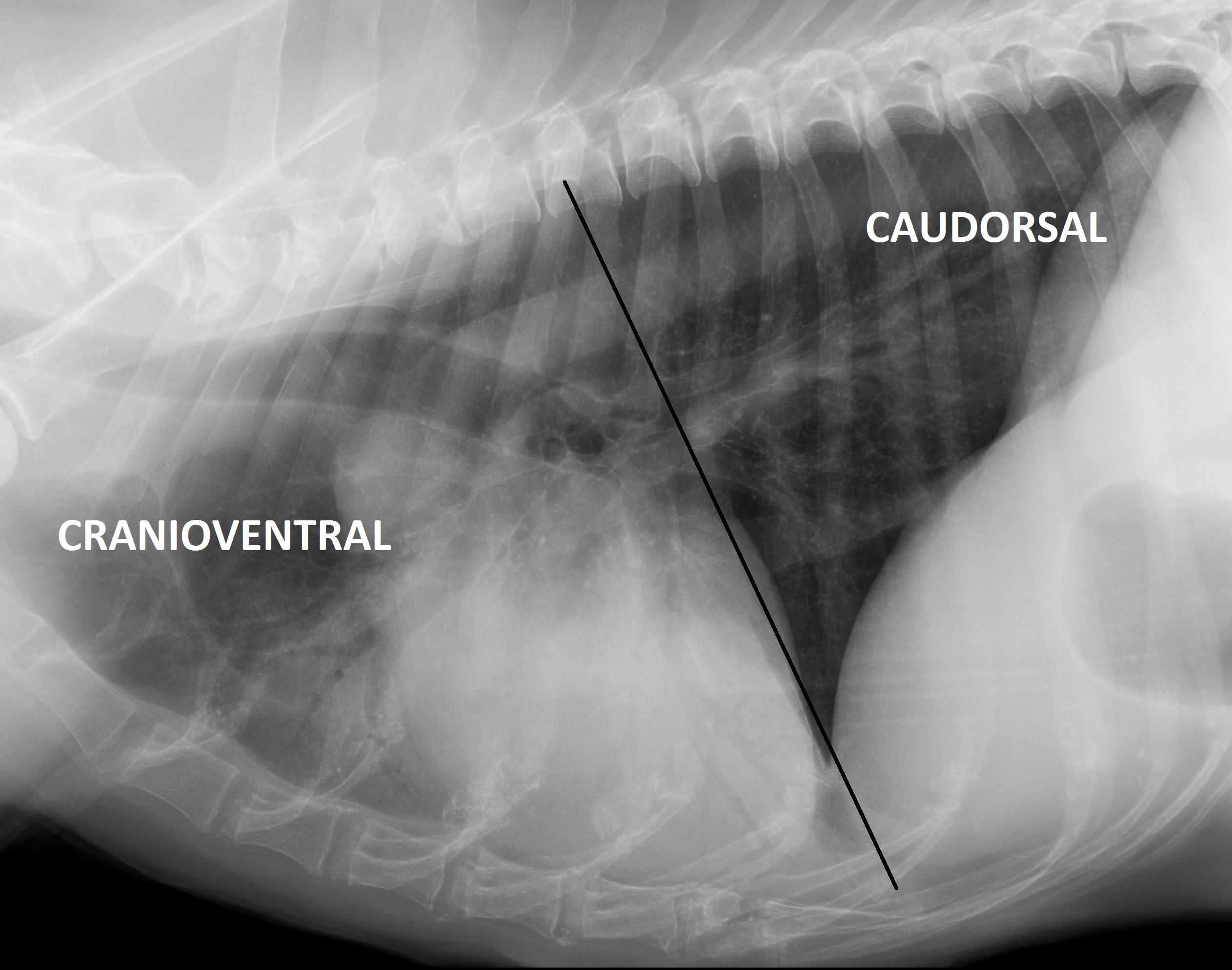
Radiographic Approach to the Coughing Pet • MSPCAAngell
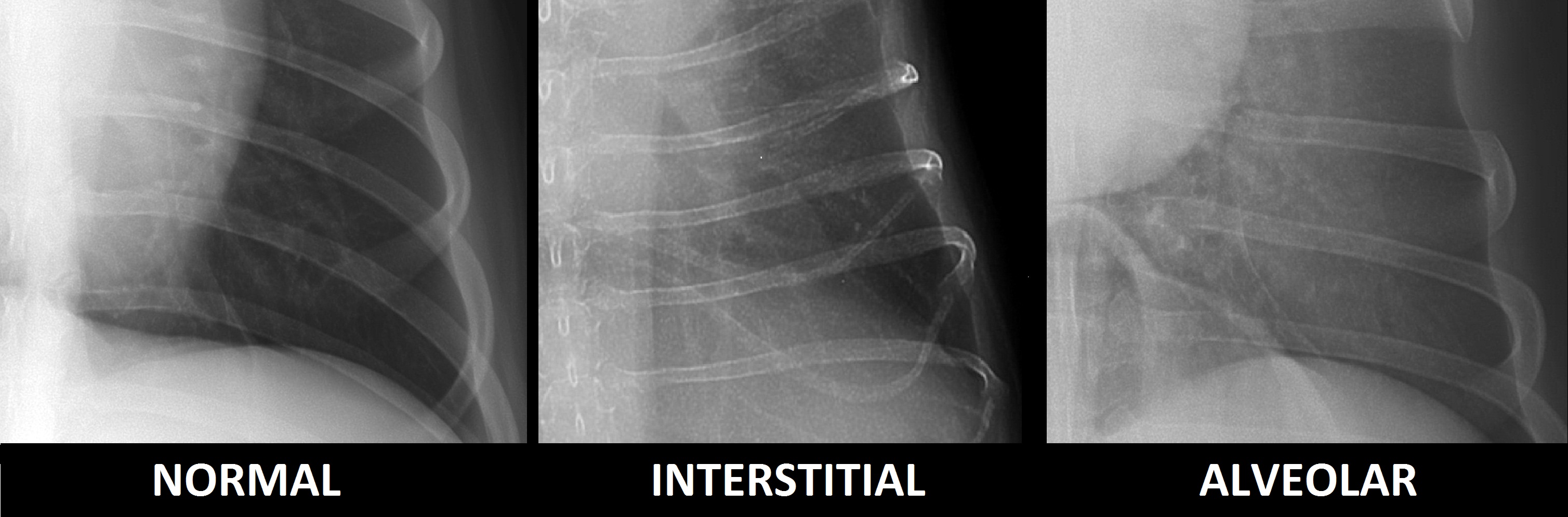
Radiographic Approach to the Coughing Pet • MSPCAAngell
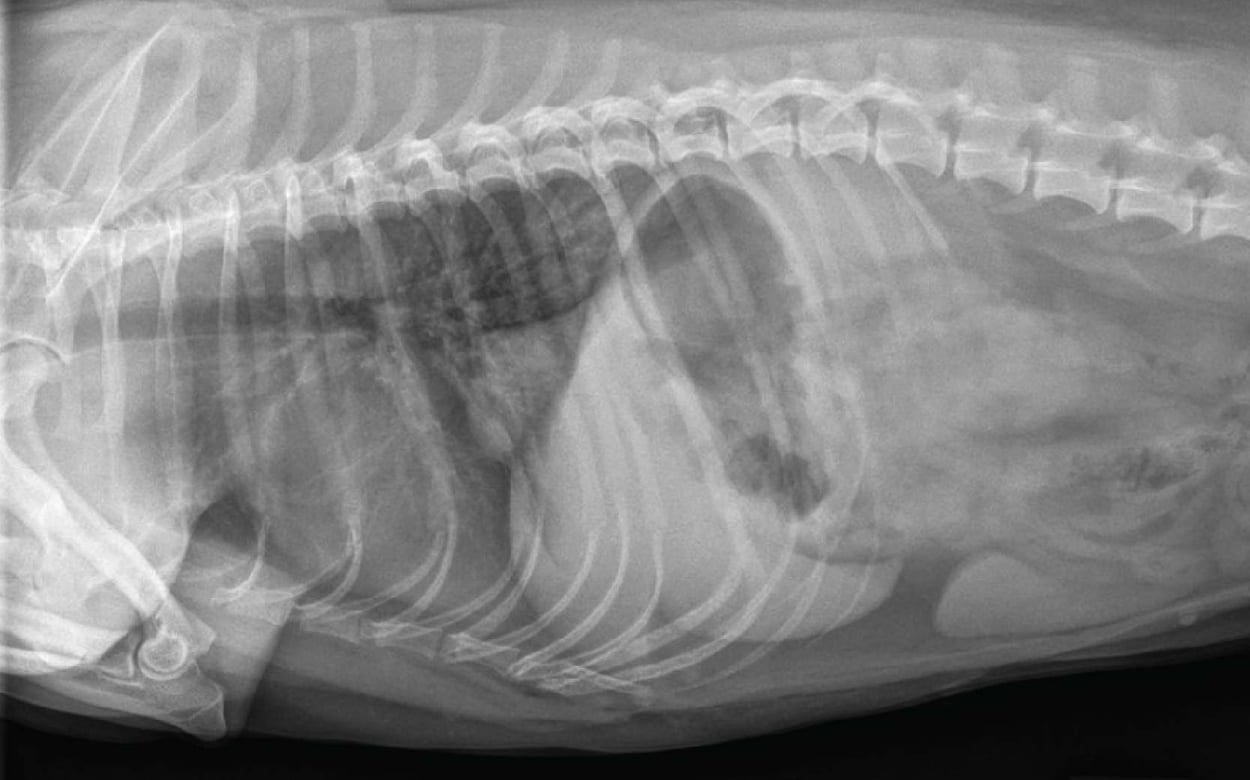
Imaging the Coughing Dog

Alveolar pattern or normal anatomy in the thorax of a young dog?

Thoracic radiography of a dog with pneumonic plague (case 2). Left
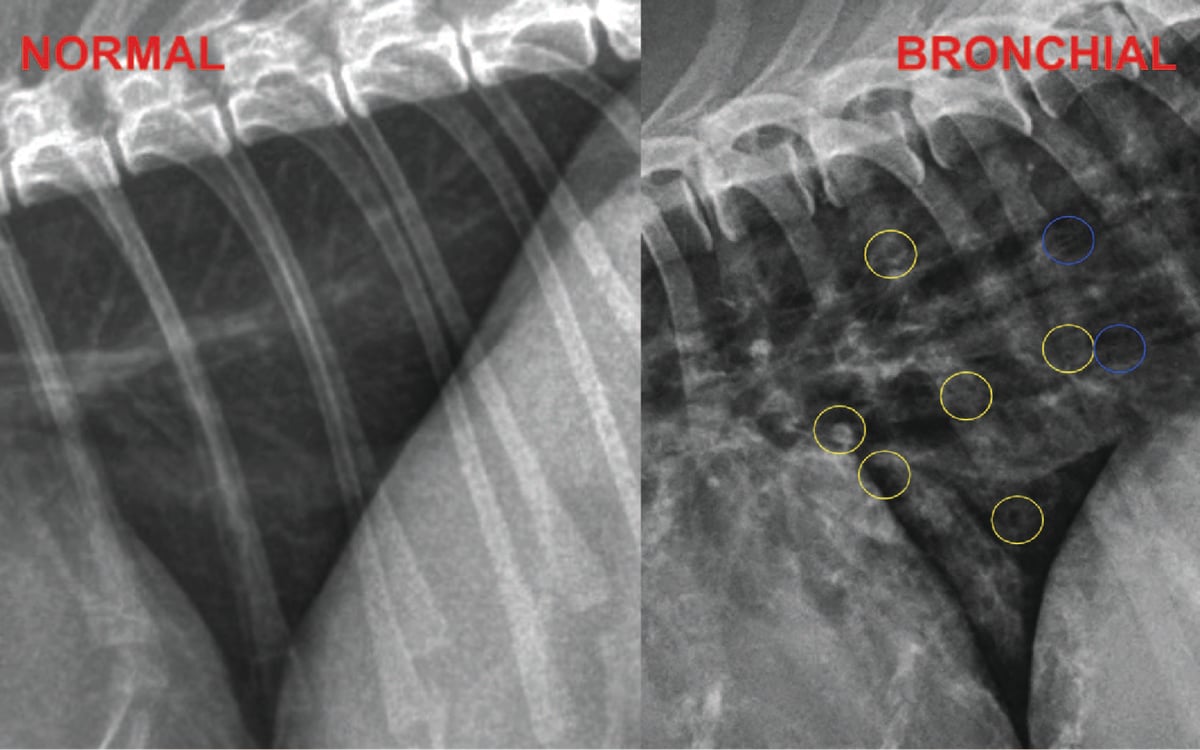
Imaging the Coughing Dog
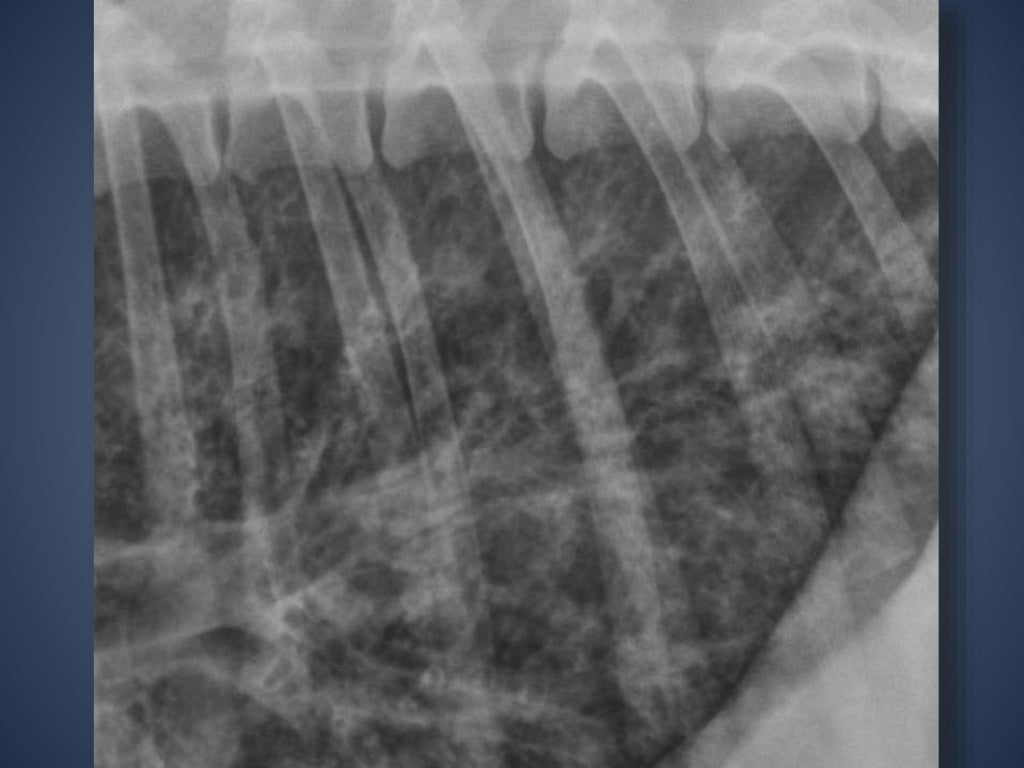
The Radiographic Approach to the Coughing Dog

Figure 6 from Distribution of alveolarinterstitial syndrome in dogs
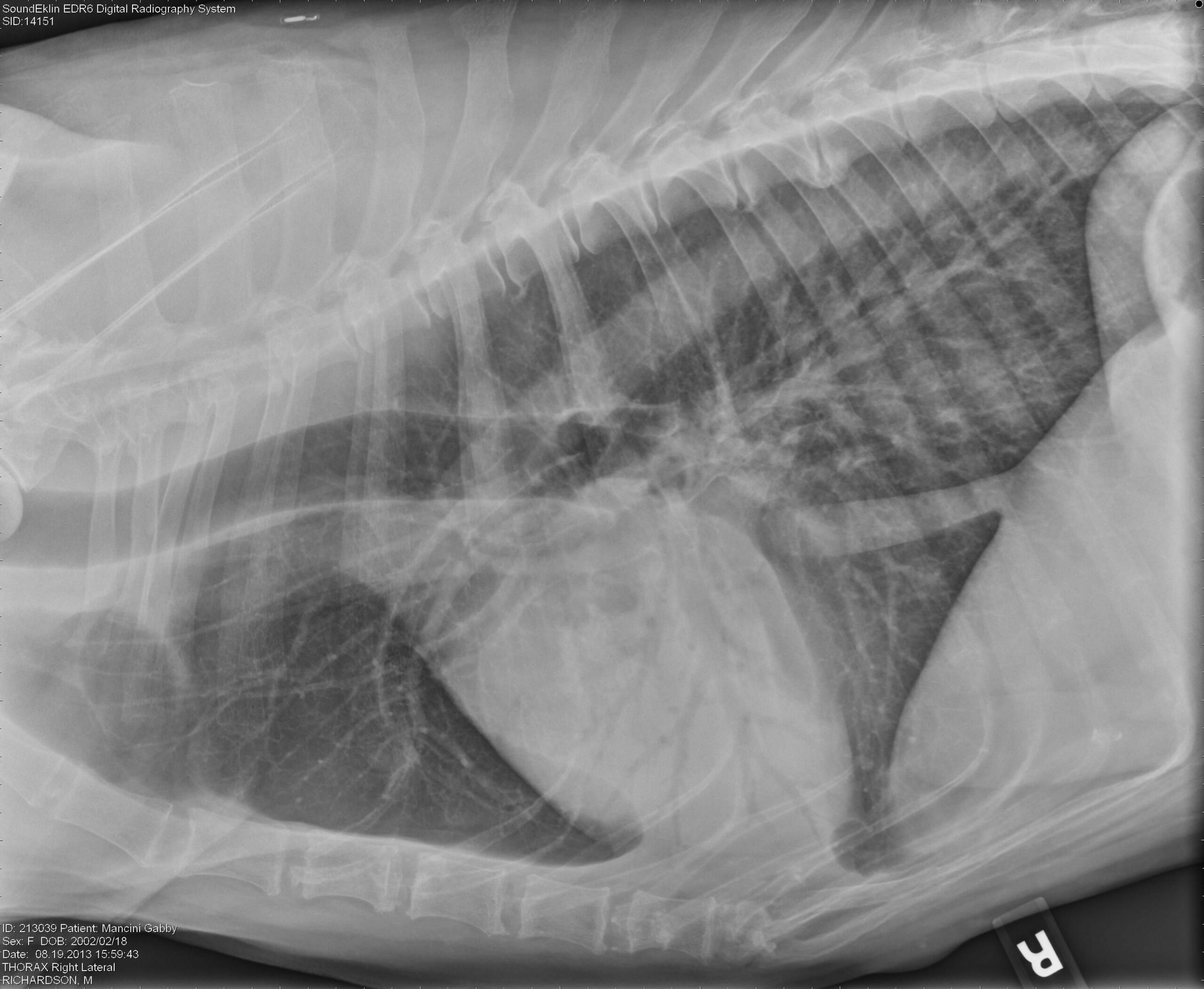
Interpreting thoracic radiograph lung patterns VETgirl Veterinary
Alveolar Pattern Occurs When Air In Alveoli Is Replaced By Fluid Or Cells, Or Not Replaced At All (Atelectasis).
Uniform, Homogeneous Fluid Opacity, Varying From Faint Or Fluffy, To Solid, Complete Opacification 2.
Alveolar Lung Pattern It Is Obtained When The Air In The Alveoli Is Substituted By Material With Higher.
Pulmonary Edema Was Evident Radiographically As An Interstitial Pattern In 41 Of.
Related Post: