
Cushing Suture Pattern
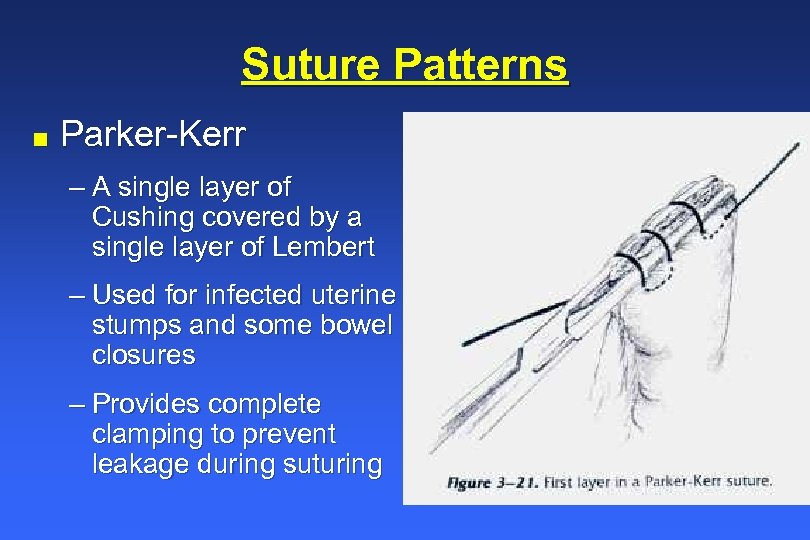
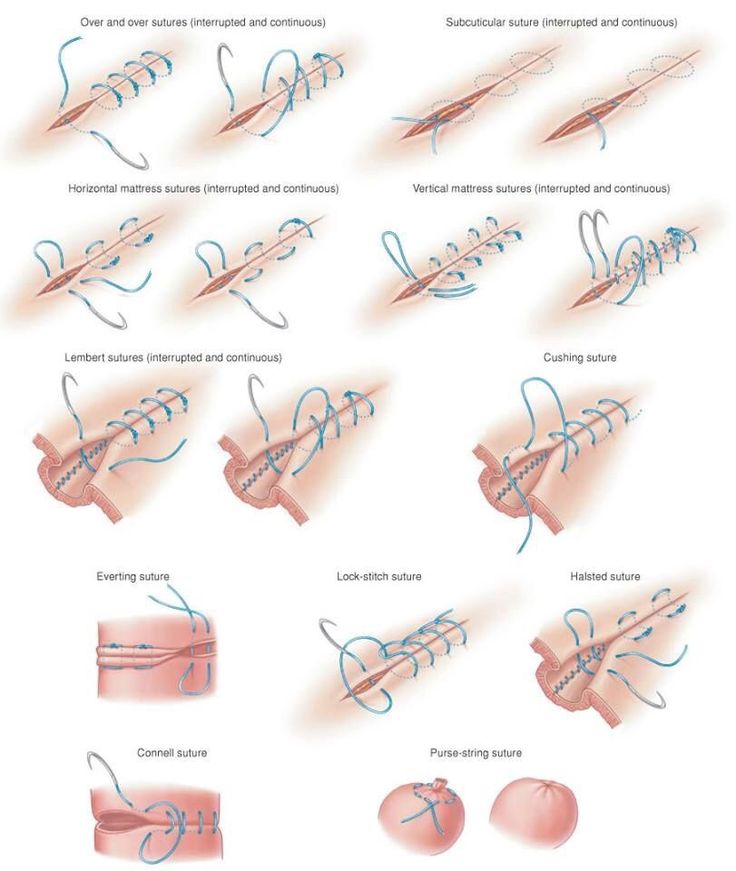
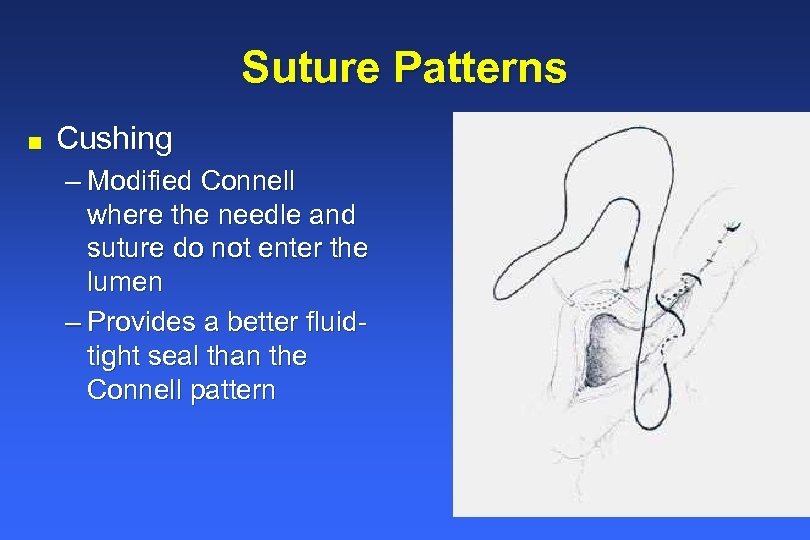
Cushing Suture Pattern - (ab210) is the code of vertical mattress suture pattern, and (013465)²/3 is the code of cushing suture pattern. Web the use of a specific suture pattern may vary depending on the area being sutured, the length of the incision, the tension at the suture line, and the specific need for apposition, inversion, or eversion of the tissues. It penetrates the submucosa but does not penetrate the organ’s lumen. (0a1) is suggested as a surgical suture language that gives the name and type of the suture pattern used to facilitate its identification. Web an overview of the cushing and connell suture patterns. Both the cushing suture pattern and the connell suture technique are continuous sutures, most often used in hollow organs like the stomach, uterus, or urinary bladder. Retract the abdominal wall with a balfour retractor to expose the cavity, and perform a thorough exploration of the abdominal contents. Web (120) is the code of simple interrupted suture pattern; Web cushing and connell inverted suture pattern demonstration and technique for hollow organs. Web inverting patterns turn the cut edges inward and minimize exposed suture. After you've chosen the correct suture type and size, you need to determine the correct suture pattern. Web the use of a specific suture pattern may vary depending on the area being sutured, the length of the incision, the tension at the suture line, and the specific need for apposition, inversion, or eversion of the tissues. It penetrates the submucosa but does not penetrate the organ’s lumen. These are used to close lumens in large animal species (intestines, bladders, uteri). Web the cushing and connell suture technique is often used to close the incisions in hollow organs such as the stomach, urinary bladder, and uterus. Web (120) is the code of simple interrupted suture pattern; 13), should be used because they provide a tight seal, minimize suture exposure,. Suture patterns can be broadly categorized as interrupted or continuous. This technique is often used to close the incisions in hollow organs such as the stomach, urinary bladder, and uterus. Incisions that are farther cranial may penetrate the diaphragm, inadvertently causing a pneumothorax. It is important to place the suture full thickness to make sure the submucosa is incorporated. Incisions that are farther cranial may penetrate the diaphragm, inadvertently causing a pneumothorax. Web with the connell, the needle penetrates the lumen, whereas with the cushing (no ‘l’) it does not (only penetrates serosa, muscularis, and submucosa) the farther the bites are placed from. These are used to close lumens in large animal species (intestines, bladders, uteri). Web continuous inverting suture patterns, such as the cushing (fig. There isn't a single right way to determine the proper suture pattern for a specific tissue, but helpful guidelines do exist. Michael ross demonstrates the cushing suture pattern and explains the difference between the cushing and connell. These are used to close lumens in large animal species (intestines, bladders, uteri). It penetrates the submucosa but does not penetrate the organ’s lumen. Perhaps the most vital component of the correct suture pattern is the surgical knot. Fast, continuous, easy inverting suture technique for intestinal incision bites are taken parallel to the incision but the suture doesn’t pass right. After you've chosen the correct suture type and size, you need to determine the correct suture pattern. It runs parallel to the incision line by taking tissue bites on either side of the incision. Web common suture patterns: The suture penetrates into the submucosa and mucosa. Michael ross demonstrates the cushing suture pattern and explains the difference between the cushing. Similar to cushing except for complete penetration into the lumen of the viscera. Make a ventral midline abdominal incision from the xiphoid to the caudal abdomen. It penetrates the submucosa but does not penetrate the organ’s lumen. Web the cushing and connell suture technique is often used to close the incisions in hollow organs such as the stomach, urinary bladder,. Web common suture patterns: Perhaps the most vital component of the correct suture pattern is the surgical knot. After you've chosen the correct suture type and size, you need to determine the correct suture pattern. Web common suture patterns: Web inverting patterns turn the cut edges inward and minimize exposed suture. These patterns prevent leakage and minimize the risk of adhesions due to exposed suture. Suture patterns can be broadly categorized as interrupted or continuous. 4.6 ligatures and suture patterns. (ab210) is the code of vertical mattress suture pattern, and (013465)²/3 is the code of cushing suture pattern. Retract the abdominal wall with a balfour retractor to expose the cavity, and. Retract the abdominal wall with a balfour retractor to expose the cavity, and perform a thorough exploration of the abdominal contents. Web cushing suture pattern: Web the continuous cushing pattern is often used for closing incisions in hollow viscera such as the stomach, urinary bladder and uterus. There isn't a single right way to determine the proper suture pattern for. Web cushing suture pattern: Suture patterns can be broadly categorized as interrupted or continuous. After you've chosen the correct suture type and size, you need to determine the correct suture pattern. These patterns prevent leakage and minimize the risk of adhesions due to exposed suture. Web the use of a specific suture pattern may vary depending on the area being. In the cushing suture technique, the suture penetrates into the submucosa without penetrating the organ lumen. This technique is often used to close the incisions in hollow organs such as the stomach, urinary bladder, and uterus. Web cushing and connell inverted suture pattern demonstration and technique for hollow organs. Web (120) is the code of simple interrupted suture pattern; These. 4.6 ligatures and suture patterns. Suture patterns can be broadly categorized as interrupted or continuous. Perhaps the most vital component of the correct suture pattern is the surgical knot. 13), should be used because they provide a tight seal, minimize suture exposure,. Web for most tissue closure, appositional suture patterns are preferable, as they allow the best anatomical approximation of the disrupted tissue planes.inverting suture patterns have been traditionally described for the closure of hollow viscera. The suture penetrates into the submucosa and mucosa. After you've chosen the correct suture type and size, you need to determine the correct suture pattern. Web an overview of the cushing and connell suture patterns. (1) simple interrupted, (2) horizontal mattress, (3) vertical mattress, (4) subcuticular interrupted, and (5) subcuticular running. It runs parallel to the incision line by taking tissue bites on either side of the incision. These are used to close lumens in large animal species (intestines, bladders, uteri). There isn't a single right way to determine the proper suture pattern for a specific tissue, but helpful guidelines do exist. Web specifically, this curriculum demonstrates five commonly used suturing techniques: Similar to cushing except for complete penetration into the lumen of the viscera. (ab210) is the code of vertical mattress suture pattern, and (013465)²/3 is the code of cushing suture pattern. These patterns prevent leakage and minimize the risk of adhesions due to exposed suture.
Cushing Suture Pattern YouTube

Cushing Suture Pattern Fast, Continuous, Easy Inverting Suture
Wound Healing and Suture Knowledge ASR Certification Prep

Common Suture Patterns and Suture Techniques EndoGynecology

Cushing and Connell Suture Pattern Demo YouTube
Aperrados Patrones de sutura

Basic suture patterns in 2020 Medical mnemonics, Medical humor, Sutures

Cushing and Connell Suture Patterns YouTube
Wound Healing and Suture Knowledge ASR Certification Prep

Infographic basic suture patterns Artofit
The Suture Penetrates Into The Submucosa.
Web The Use Of A Specific Suture Pattern May Vary Depending On The Area Being Sutured, The Length Of The Incision, The Tension At The Suture Line, And The Specific Need For Apposition, Inversion, Or Eversion Of The Tissues.
Web The Continuous Cushing Pattern Is Often Used For Closing Incisions In Hollow Viscera Such As The Stomach, Urinary Bladder And Uterus.
Web Continuous Inverting Suture Patterns, Such As The Cushing (Fig.
Related Post: