
Decorator Pattern Uml Diagram
Decorator Pattern Uml Diagram - Web the figure below shows a uml class diagram for the decorator pattern: Web the decorator pattern is a design pattern that allows behavior to be added to an object, dynamically, without affecting the behavior of other objects from the same class. Why do we need uml? Web what is uml? The decorator pattern is also known as wrapper. This is the main container in the diagram that represents a collection of stereotypes, tagged values, and constraints. Web decorator design pattern: The uml class diagrams provide an easy way to capture and document design patterns. Web observer is a behavioral design pattern that lets you define a subscription mechanism to notify multiple objects about any events that happen to the object they’re observing. It involves creating a set of decorator classes that are used to wrap concrete components. The participants classes in the decorator pattern are: It provides different flavours to an object and gives flexibility to choose what ingredients we want to use in that flavour. Web what is uml? This type of design pattern comes under structural pattern as this pattern acts as a wrapper to existing class. Web in this post, we will be learning another design principle (open/closed principle) and a structural design pattern — decorator pattern, which is a pattern to decorate objects at runtime. Web the interaction between the basic component and the decorator is best illustrated the form of a uml class diagram. This is the main container in the diagram that represents a collection of stereotypes, tagged values, and constraints. Decorator design patterns create decorator classes, which wrap the original class and supply additional functionality by keeping the class methods’ signature unchanged. Web the decorator pattern is a design pattern that allows behavior to be added to an object, dynamically, without affecting the behavior of other objects from the same class. Web a decorator pattern says that just attach a flexible additional responsibilities to an object dynamically. This pattern helps to modify the characteristics of an object at runtime. Wrapping a gift, putting it in a box, and wrapping the box. Web in this post, we will be learning another design principle (open/closed principle) and a structural design pattern — decorator pattern, which is a pattern to decorate objects at runtime. This is the main container in. Web a sequence diagram illustrates how objects interact in a particular sequence to accomplish a specific task or process by visually representing the flow of messages and events between different objects in a software system over time. Tools for creating uml diagrams. The participants classes in the decorator pattern are: The decorator pattern is also known as wrapper. Decorators are. Web in this post, we will be learning another design principle (open/closed principle) and a structural design pattern — decorator pattern, which is a pattern to decorate objects at runtime. Web using design patterns you can reduce the designing time for building software systems and more importantly ensure that your system is consistent and stable in terms of architecture and. Steps to create uml diagrams. The participants classes in the decorator pattern are: The decorator pattern is sometimes referred to as a wrapper class! Web the decorator design pattern uses abstract classes or interfaces with the composition to implement the wrapper. Download free resources and try it yourself! The class itself does not have to know about any decorators that exist. The uml class diagrams provide an easy way to capture and document design patterns. Stereotypes define new types of model elements or customize existing ones. Web i understand the composite design pattern and the decorator design pattern and their uses. Can we have a case where we. The decorator pattern is sometimes referred to as a wrapper class! Web the decorator extends the functionality of an object by providing additional responsibility to indvidual instances of a class as opposed to all instances of a class. In other words, the decorator pattern uses composition instead of inheritance to extend the functionality of an object at runtime. Web a. It provides different flavours to an object and gives flexibility to choose what ingredients we want to use in that flavour. Wrapping a gift, putting it in a box, and wrapping the box. Can we have a case where we have to use them together? Decorators are useful when you want to add behavior at runtime instead of using subclasses. Different types of uml diagrams. Tools for creating uml diagrams. Can we have a case where we have to use them together? Web decorator design pattern: Web a decorator pattern says that just attach a flexible additional responsibilities to an object dynamically. Decorator design patterns create decorator classes, which wrap the original class and supply additional functionality by keeping the class methods’ signature unchanged. The class itself does not have to know about any decorators that exist. Learn about types of uml diagrams and uml symbols. Web draw.io is free online diagram software. This is the main container in the diagram that. Web the interaction between the basic component and the decorator is best illustrated the form of a uml class diagram. Web observer is a behavioral design pattern that lets you define a subscription mechanism to notify multiple objects about any events that happen to the object they’re observing. This type of design pattern comes under structural pattern as this pattern. Web the decorator pattern is a design pattern that allows behavior to be added to an object, dynamically, without affecting the behavior of other objects from the same class. Steps to create uml diagrams. It provides different flavours to an object and gives flexibility to choose what ingredients we want to use in that flavour. Download free resources and try it yourself! The class itself does not have to know about any decorators that exist. Web decorator uml class diagram. Decorators provide a flexible alternative to subclassing for extending functionality. Web the decorator design pattern is a structural design pattern that allows behavior to be added to individual objects dynamically, without affecting the behavior of other objects from the same class. Decorator design patterns create decorator classes, which wrap the original class and supply additional functionality by keeping the class methods’ signature unchanged. The decorator pattern is also known as wrapper. Decorators are useful when you want to add behavior at runtime instead of using subclasses to define individual cases. Web decorator pattern allows a user to add new functionality to an existing object without altering its structure. Why do we need uml? Web the decorator extends the functionality of an object by providing additional responsibility to indvidual instances of a class as opposed to all instances of a class. Web a decorator pattern says that just attach a flexible additional responsibilities to an object dynamically. The participants classes in the decorator pattern are: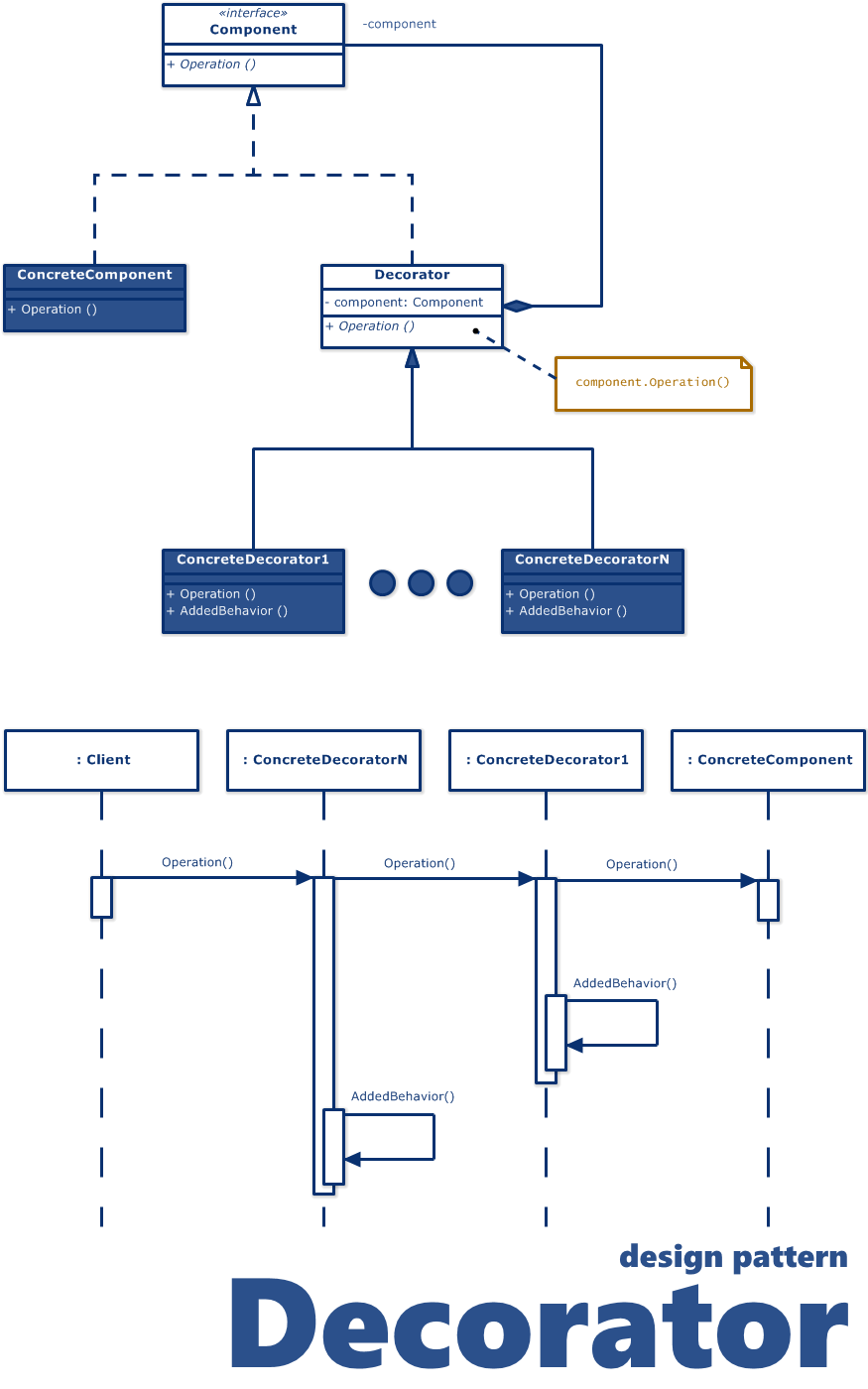
Decorator Design Pattern (UML Diagrams) Software Ideas Modeler

Decorator Pattern INTEGU
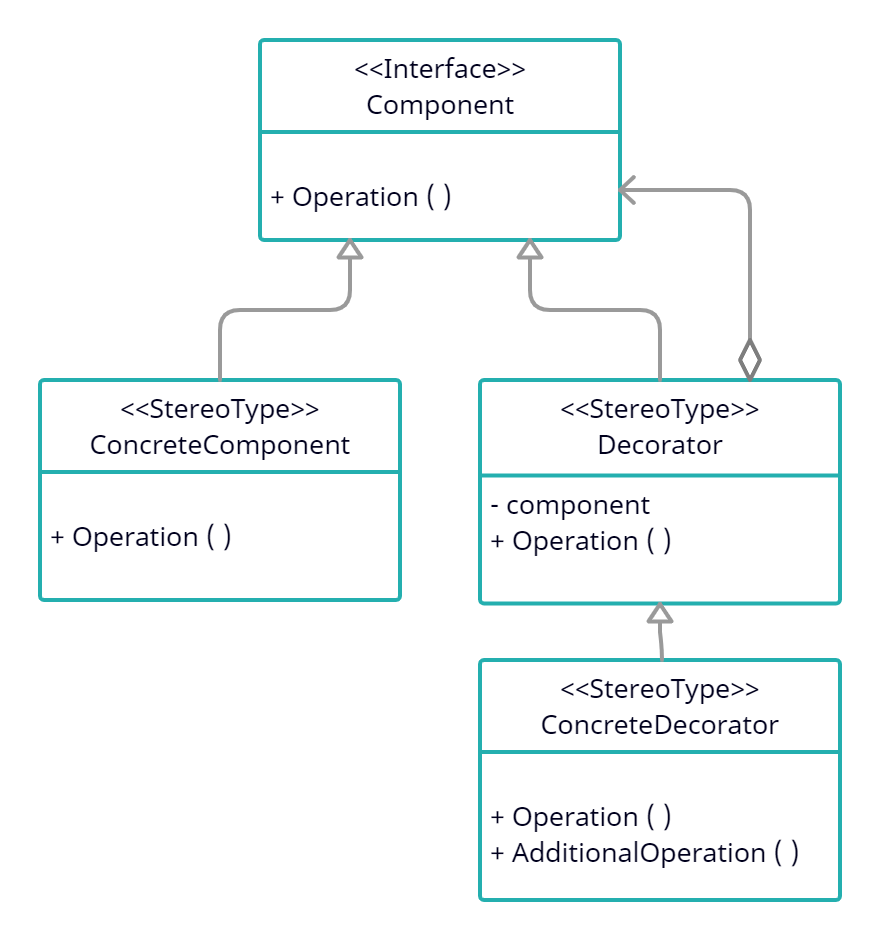
Decorator Design Pattern in C
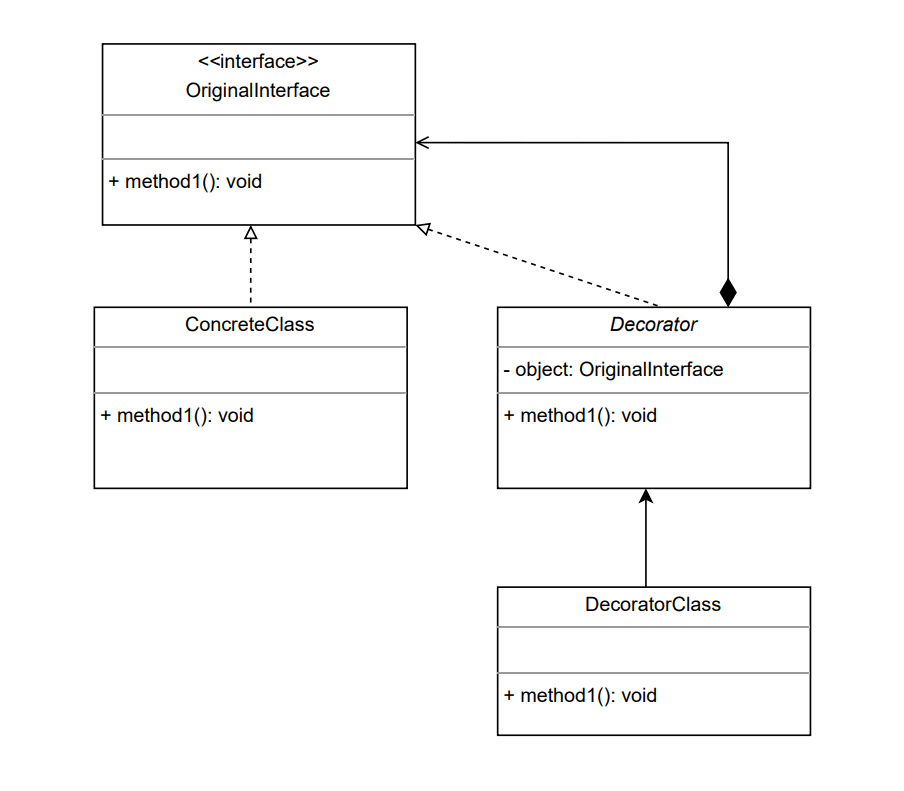
A Gentle Introduction to Decorators in Python Blockchain & Web

Decorator The Best Pattern — Aspiration and Advisory
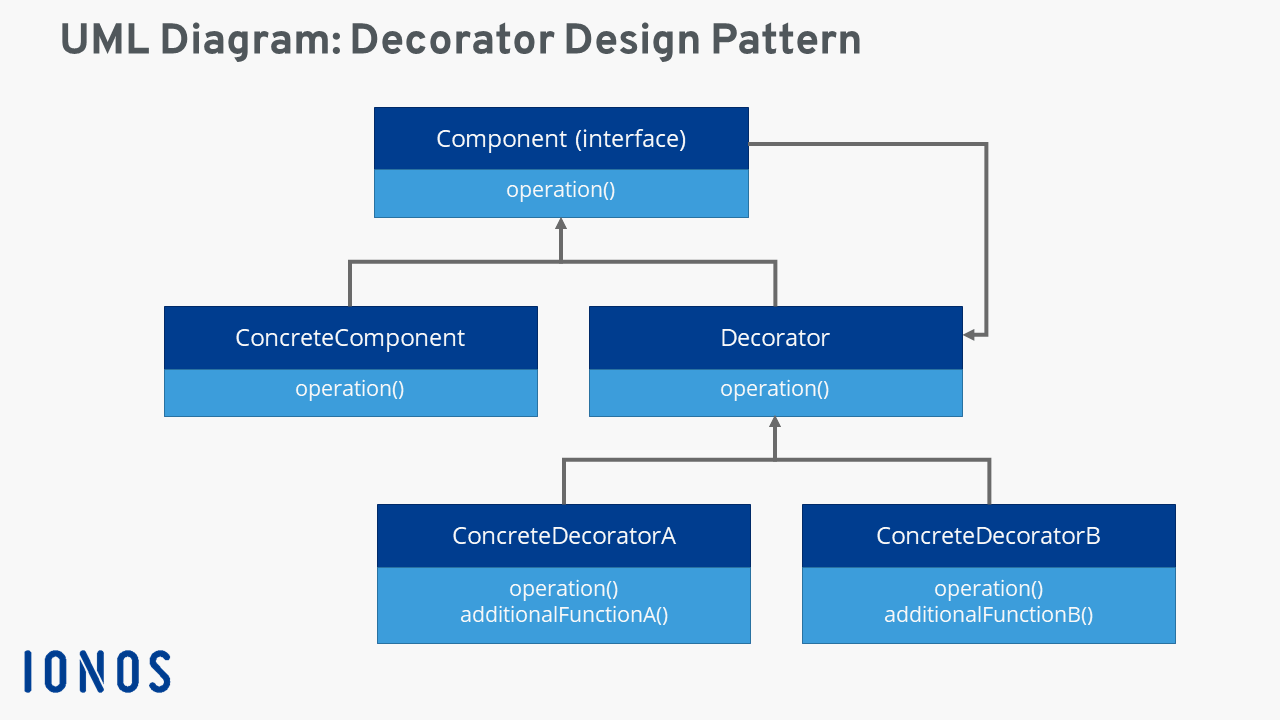
Decorator pattern explanation, UML presentation, and example IONOS CA

SRP example The decorator pattern Enterprise Application

Decorator. Design pattern in Examples by Artem Diashkin Jul, 2020

Hướng dẫn decorator pattern với ví dụ và đánh giá chi tiết
Uml Diagram For Decorator Pattern Gof Design Patterns vrogue.co
Web The Decorator Design Pattern In C# Allows Us To Dynamically Add New Functionalities To An Existing Object Without Altering Or Modifying Its Structure, And This Design Pattern Acts As A Wrapper To The Existing Class.
Web The Decorator Design Pattern Uses Abstract Classes Or Interfaces With The Composition To Implement The Wrapper.
Can We Have A Case Where We Have To Use Them Together?
In Other Words, The Decorator Pattern Uses Composition Instead Of Inheritance To Extend The Functionality Of An Object At Runtime.
Related Post: